
Beta Hcg Test
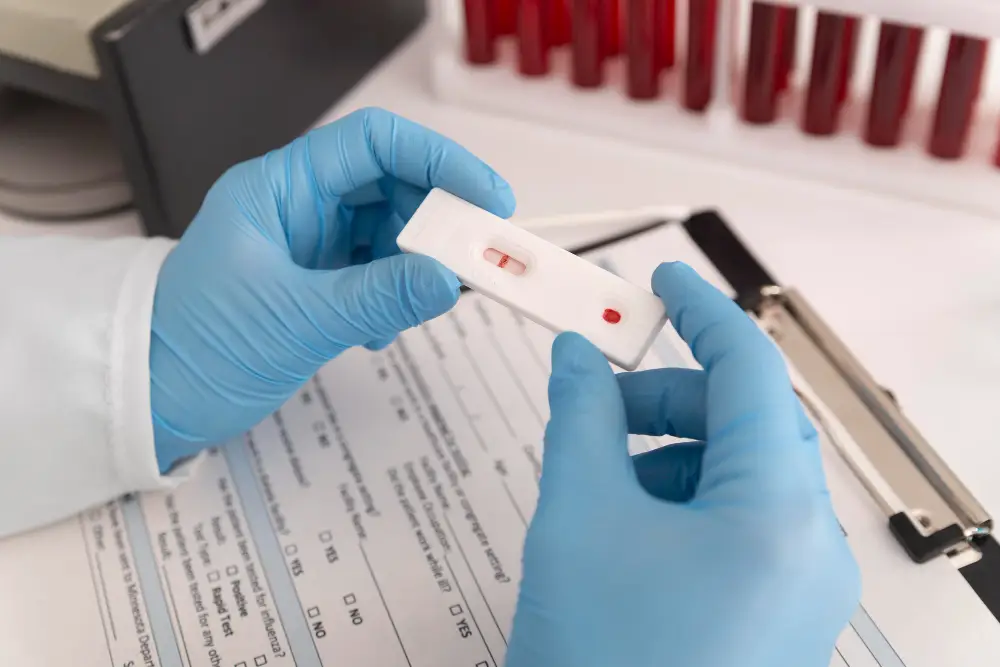
Beta-HCG Test in Pune | Qtest
The Beta-hCG test is a blood test used primarily to detect pregnancy by measuring the level of human chorionic gonadotropin (hCG) in the blood. hCG is a hormone produced by cells that develop into the placenta after a fertilized egg attaches to the uterus.
Beta-hCG testing can detect pregnancy relatively early and may also be used by healthcare professionals to monitor the progression of an early pregnancy or evaluate certain pregnancy-related conditions. In specific clinical situations, hCG levels may also be assessed for other medical conditions.
What is Beta - HCG?
Beta-hCG refers to the beta subunit of human chorionic gonadotropin. Measuring this component in the blood provides a sensitive method for detecting hCG.
A quantitative Beta-hCG test measures the actual amount of hCG in the blood, while a qualitative pregnancy test generally reports whether hCG is detected or not.
Why is the Beta-hCG Test Done?
A healthcare professional may recommend a Beta-hCG test for several reasons:
- Pregnancy Detection: Helps confirm pregnancy, particularly during the early stages.
- Early Pregnancy Assessment: Quantitative hCG levels may be monitored when clinically indicated.
- Pregnancy-Related Concerns: Testing may be recommended when there is bleeding, abdominal pain, or other symptoms requiring medical evaluation.
- Monitoring Certain Conditions: Serial hCG measurements may help doctors assess specific pregnancy-related conditions.
- Other Medical Evaluation: In some situations, hCG testing may be used as part of the evaluation of certain tumors or other medical conditions.

When Should You Take a Beta-hCG Test?
A Beta-hCG blood test can often detect pregnancy earlier than many urine pregnancy tests. However, the most appropriate time for testing depends on factors such as the menstrual cycle, timing of ovulation, and possible conception.
If testing is performed very early, hCG levels may not yet be high enough to detect pregnancy. If the result is negative but pregnancy is still suspected, your healthcare provider may recommend repeating the test after an appropriate interval.
Symptoms That May Lead to Beta-hCG Testing
Beta-hCG testing may be considered when a woman experiences symptoms or circumstances such as:
- Missed menstrual period
- Early pregnancy symptoms
- Unexplained vaginal bleeding
- Lower abdominal or pelvic pain
- Suspected early pregnancy
- Need for pregnancy confirmation before certain medical procedures
Symptoms alone cannot confirm pregnancy, so appropriate testing is important.
How is the Beta-hCG Test Performed?
Blood Sample Collection
Laboratory Testing
Report
A detailed fetal scan that evaluates organ development and detects congenital abnormalities.
Medical Interpretation
Understanding Beta-HCG Results
Beta-HCG results can vary considerably depending on the timing of pregnancy and individual circumstances. A single hCG value may not provide enough information to determine how a pregnancy is progressing.
Doctors may sometimes recommend serial Beta-hCG testing, where levels are measured at different times, when clinically appropriate. Changes in hCG levels can provide additional information, but results should always be interpreted by a healthcare professional.
A positive result generally indicates that hCG has been detected, but it should be interpreted in the appropriate clinical context.
What Can Cause a High Beta-HCG Level?
A high Beta-hCG level may occur because of:
- Pregnancy
- Pregnancy at a later gestational stage than expected
- Multiple pregnancy
- Certain pregnancy-related conditions
- Rarely, certain medical conditions or tumors
A high result does not by itself establish a diagnosis. Further evaluation may be required.
What Can Cause a Low or Negative Beta-HCG Level?
A negative or low result may occur when:
- Pregnancy has not occurred
- The test was performed too early
- The timing of ovulation or implantation was later than expected
- There are certain pregnancy-related complications
If pregnancy is suspected despite a negative result, your doctor may recommend repeat testing.
Benefits of Beta-hCG Blood Testing
- Helps detect pregnancy at an early stage
- Quantitative testing provides an actual HCG measurement
- Can be repeated when monitoring is clinically required
- Useful alongside other investigations during early pregnancy
- Helps healthcare professionals make informed clinical decisions
Is Fasting Required for Beta-HCG?
Fasting is generally not required for a Beta-hCG blood test. You can usually eat and drink normally before the test unless your healthcare provider or laboratory provides different instructions.
Frequently Asked Questions (FAQs)
Beta-HCG can detect pregnancy relatively early, but the exact timing depends on ovulation, implantation, and the individual’s hCG production. Testing too early can result in a negative result even when pregnancy is present.